

Guide to Keeping Trees Healthy During Winter in North Carolina
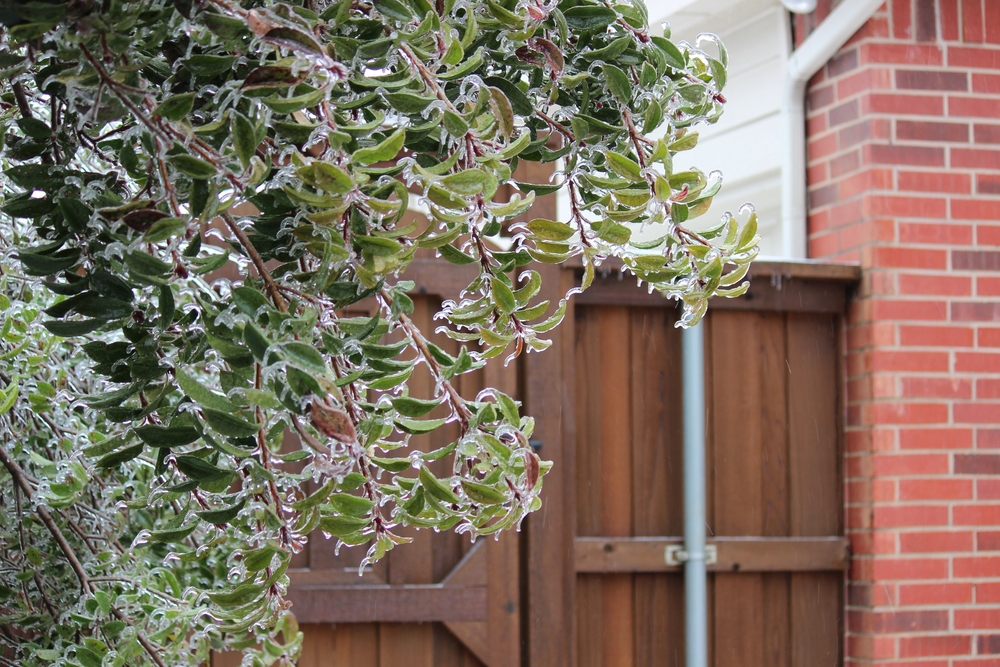
Trees in North Carolina face unique challenges during the winter months. While winters are milder here compared to northern states, fluctuating temperatures, occasional ice storms, and dry spells can stress trees if they are not properly prepared. Tree care in winter is just as important as in the warmer months. Focusing on seasonal tree care practices can help maintain their health and appearance year-round.
In this guide, we will explore the best approaches to winter tree protection and maintenance, tailored specifically to the climate and tree species commonly found in North Carolina. These strategies will help you understand what trees need during the colder months to thrive once spring arrives.
Understanding Winter Stress on North Carolina Trees
Even in a region known for moderate winters, trees in North Carolina can suffer from winter stress. Sudden drops in temperature after mild spells can cause bark to crack or limbs to break. This is especially common in younger or recently planted trees, which have not yet developed strong root systems. In addition to temperature fluctuations, heavy snow or ice accumulation can weigh down branches and cause breakage.
Winter drought is another concern. Although people associate drought with hot summers, cold weather tree tips must include advice about dry winters. Frozen ground and dry air reduce the amount of moisture trees can absorb. If trees enter winter in a weakened or dehydrated state, they are more likely to suffer long-term damage.
Certain native and ornamental species in North Carolina are more sensitive to cold than others. For instance, flowering dogwoods and crape myrtles may need extra attention to help them resist frost and wind damage. Understanding your trees’ vulnerabilities is key to applying the right tree maintenance strategies during winter.
The Role of Tree Pruning in Winter Tree Care
Tree pruning is one of the most beneficial tasks to undertake during the dormant season. In North Carolina, the ideal time to prune most deciduous trees is from late fall through early spring, before new growth begins. Dormant pruning allows you to shape trees, remove dead or diseased branches, and encourage stronger growth without interrupting the tree’s energy cycle.
Winter pruning also gives you better visibility. With the leaves gone, it is easier to assess the structure of the tree and identify weak or crossing limbs that could become problematic. Removing these before ice or snow builds up can prevent breakage and reduce the risk of falling branches.
In addition, pruning during winter reduces the risk of pest infestations. Many insects are inactive in cold weather, which means open wounds on pruned branches are less likely to attract them. This is especially helpful for oaks, which are vulnerable to oak wilt if pruned during warm months. Proper pruning practices are an essential aspect of cold weather tree tips that safeguard long-term health.
Mulching and Watering: Basic Winter Tree Protection
Mulching is a critical part of tree care in winter. Applying a layer of organic mulch around the base of your trees can help regulate soil temperature, retain moisture, and prevent roots from freezing. In North Carolina, where temperature swings are common, mulch acts as insulation against the freeze-thaw cycles that can stress root systems.
However, mulch must be applied correctly. It should be spread in a doughnut shape around the tree, several inches away from the trunk. Piling mulch directly against the bark can lead to rot and invite pests. A layer 2 to 4 inches thick is typically sufficient for winter tree protection.
Watering is often overlooked in winter, but it remains important during dry spells. Trees need adequate moisture to support root health, especially evergreen species that continue to lose moisture through their needles. If the ground is not frozen, deep watering during extended dry periods can make a significant difference. Newly planted or young trees are particularly vulnerable and benefit the most from regular checks on soil moisture levels.
Tree Maintenance for Ice and Snow Events
While heavy snow is relatively rare in most parts of North Carolina, ice storms are not uncommon and can cause major damage. Tree maintenance before, during, and after these events can minimize harm and support quicker recovery.
Before an ice event, inspect your trees for weak or overextended branches. Pruning these in advance can prevent them from snapping under pressure. During a storm, avoid trying to knock ice or snow off branches, as this can cause more damage than it prevents. Branches under stress are brittle and can break easily with added force.
After the storm, assess any damage and remove broken or hanging limbs promptly. If large limbs are damaged or if a tree has split, it is best to consult a certified arborist to determine whether the tree can be saved or needs to be removed. In many cases, proper intervention can help a tree recover and thrive in the next growing season.
Seasonal tree care also includes preparing for future events. Learning from past winters can help you identify which species or individual trees need more attention or structural support. Regular inspections and adjustments to your tree care routine make a significant difference over time.
Preparing North Carolina Trees for Spring During Winter
Though winter might seem like a time of inactivity, it is actually a crucial period for setting up healthy spring growth. Taking steps to support your trees now ensures that they are ready to take full advantage of warmer temperatures when they arrive.
Fertilization, if needed, should be done cautiously and only based on soil test results. Over-fertilizing in winter can push trees into premature growth, which is easily damaged by a late frost. Instead, focus on supporting soil health through composting or adding mulch as organic matter.
Winter is also a good time to plan future tree care efforts. Consider what worked well last year and what could be improved. Perhaps certain trees need to be relocated to more protected spots, or new plantings could benefit from windbreaks or sheltering shrubs.
Tree care winter strategies should always be forward-looking. North Carolina’s trees may rest during the colder months, but the decisions made during this time lay the groundwork for robust spring development. With thoughtful planning and consistent maintenance, your trees can flourish throughout the year.
Conclusion
Keeping trees healthy through the winter in North Carolina requires a combination of observation, preparation, and timely action. Although the state experiences a milder winter climate compared to others, the impact of cold, wind, drought, and ice can still take a toll. By prioritizing tree pruning, applying mulch correctly, ensuring adequate watering, and preparing for storm damage, you create a strong foundation for tree vitality.
Seasonal tree care is not just about responding to immediate threats. It is about building resilience in your landscape and supporting the long-term health of your trees. Whether you are maintaining mature oaks or nurturing newly planted ornamentals, following expert cold weather tree tips can help them survive winter stresses and emerge strong and vibrant when spring returns.
Tree maintenance is a year-round responsibility, but winter is one of the most critical seasons for proactive care. With the right approach, your North Carolina trees can thrive in any season.
Need a Premier Commercial & Residential Landscaper Near You?
When you are ready to elevate your outdoor space, our team at Twin Oaks Landscaping, Inc. is here to bring your vision to life with expert craftsmanship and personalized care. We proudly serve Banner Elk, North Carolina with premier landscaping solutions for both residential and commercial properties, from detailed landscape design and seamless installation to hardscapes, pavers, tree services, erosion control, drainage, ongoing maintenance, mulch installation, and seasonal snow removal. Whether you are planning a complete transformation or need dependable year round upkeep, you can trust our experienced landscapers to deliver results that enhance beauty, function, and value. Give us a call today!