The Blue Ridge Mountains, the crisp mountain air, and the lush seasonal foliage create a backdrop that practically begs to be complemented by thoughtful, intentional outdoor design. As we move through 2026, banner elk landscaping is evolving in exciting ways, drawing from both national landscape design trends and the unique character of the High Country. Whether you are starting from scratch or refreshing an existing yard, this guide covers the top landscaping inspiration you need to make the most of your outdoor space this year.
Seamless Indoor-Outdoor Living Takes Center Stage
One of the most talked-about shifts in landscape design for 2026 is the continued push toward blending interior and exterior living spaces. Homeowners are increasingly viewing the landscape as a true extension of their home, seeking a natural flow from interior living spaces into their yards. In Banner Elk, this trend translates beautifully. Picture large sliding or accordion-style glass doors opening onto a stone patio framed by native mountain grasses and perennial wildflowers.
Outdoor areas are being designed as extensions of the home rather than separate features, with integrated seating, fire features, pergolas, and covered structures supporting year-round use. For mountain homeowners, this is especially practical. The cool evenings in Banner Elk make a covered patio with an outdoor fireplace or fire pit not just a luxury but a genuine gathering space for nearly every season. This kind of modern landscape idea adds warmth, function, and lasting value to any property.
Outdoor kitchens are particularly popular as part of this indoor-outdoor living trend, with cooking setups ranging from grills and smokers to wood-fired pizza ovens becoming increasingly common in residential landscape design. A well-designed outdoor kitchen tucked into a Banner Elk backyard, surrounded by the sights and sounds of the mountains, creates an experience that no dining room can quite replicate.
Natural Materials and Organic Layouts Define the Aesthetic
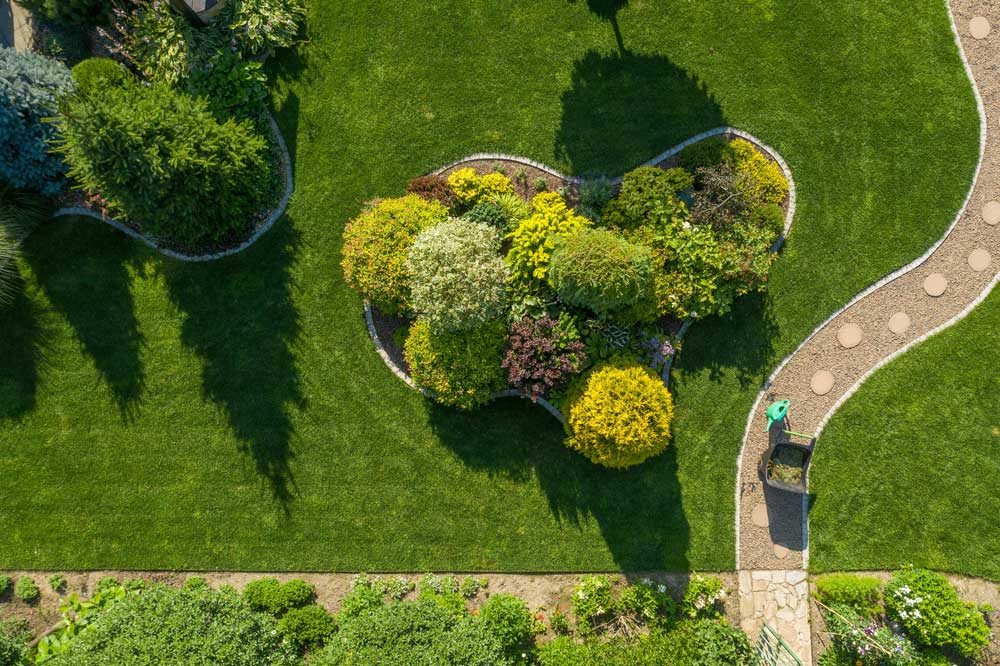
If there is one word that captures the spirit of 2026 outdoor design, it is “authenticity.” Softer planting styles and more organic layouts are a defining feature of landscape design trends for 2026, as homeowners look for outdoor settings that feel relaxed, layered, and connected to nature. This direction fits Banner Elk like a glove. The region’s natural landscape already provides a blueprint full of texture, movement, and layered greenery.
Natural materials like limestone, warm-toned pavers, and wood accents remain in high demand in landscape design because they deliver authenticity and character. In the mountains of North Carolina, these materials feel at home in a way that polished concrete or stark modern finishes simply cannot. Local stone, reclaimed wood, and warm-toned gravel integrate seamlessly with the wooded surroundings that Banner Elk homeowners are lucky enough to enjoy.
Warmer color palettes are becoming more common in 2026 patio trends, marking a shift away from cooler grays toward tones inspired by natural stone, clay, and weathered materials that blend well with planting and surrounding landscapes. For banner elk landscaping projects, this means choosing pavers and hardscape elements that echo the earthy tones of the Appalachian terrain rather than fighting against them.
Sustainability and Native Plants Lead the Way
Sustainability is no longer just a buzzword in landscape design. In 2026, it has become a foundational principle that shapes every decision from plant selection to water management. Embracing native plants is both a trend and a commitment to ecological harmony, as these plants are adapted to local climates and soil types, requiring less water and supporting local wildlife such as pollinators. For Banner Elk, which sits at a high elevation in the Southern Appalachians, this approach makes practical and environmental sense.
Sustainability is now a fundamental principle in landscape design, with homeowners choosing native plants to support pollinators, birds, and other beneficial insects, while also reducing the use of water, fertilizers, and pesticides. Plants like mountain laurel, serviceberry, wild columbine, and native ferns are not only beautiful choices for this region, they are also resilient performers that thrive without excessive maintenance.
Another growing trend is the addition of edible landscapes, including vegetable gardens, fruit trees, and berry bushes, as homeowners look for outdoor spaces that provide both beauty and practical value. In a mountain community like Banner Elk, where farm-fresh living has always been part of the culture, integrating a kitchen garden or a row of blueberry bushes into a landscape design feels especially fitting.
Smart Technology Transforms Landscape Management
Technology is quietly reshaping the way Banner Elk homeowners manage and enjoy their outdoor spaces. Smart irrigation systems that use weather sensors and soil moisture meters are becoming a staple in modern landscape design, automatically adjusting based on rainfall and temperature to save water and improve plant health. Given the variable weather patterns that come with mountain living, this kind of adaptive irrigation is a smart investment that protects your plants and your water bill.
Lighting design has become more intentional in 2026, focusing on safety, ambiance, and visual hierarchy. Low-voltage systems highlight architectural elements, pathways, and focal plantings without overpowering the landscape, extending usability after sunset while preserving a natural nighttime atmosphere. For Banner Elk properties surrounded by dark, star-filled skies, this restrained approach to lighting is both practical and visually stunning.
Landscape designers can now use AI-powered planning software and smart gardening tools to create custom layouts that save water, improve plant health, and reduce long-term maintenance demands. Whether you are working with a local banner elk landscaping professional or planning a yard transformation on your own, these modern planning tools can help you make smarter design decisions from the start.
Wellness Spaces and Year-Round Outdoor Living
Perhaps the most meaningful shift in 2026 landscaping inspiration is the growing emphasis on wellness. Backyards are increasingly being designed as personal sanctuaries for both mental and physical well-being, with wellness zones placed in private and calm areas of the yard, surrounded by natural materials and greenery to create a restorative retreat. For a community like Banner Elk, where residents and visitors alike come to decompress and reconnect with nature, this trend feels less like a design choice and more like a natural extension of the lifestyle.
Part of the intimate outdoor living spaces trend is the focus on wellness features such as cold plunge pools, meditation spaces, reflection ponds, shade structures, and quiet seating areas, as clients look for comfort and wellness in their outdoor spaces. Imagine a tucked-away meditation corner bordered by native mountain wildflowers, or a small reflection pond fed by a quiet stream of recirculating water. These are the kinds of outdoor design elements that transform a yard into a genuine retreat.
Year-round outdoor living is a major goal in 2026, with homeowners incorporating infrared heaters, fire pits, fire features, and all-season structures to keep outdoor spaces livable and stylish in every season. Banner Elk’s cool climate makes this approach especially worthwhile. A well-designed outdoor space with proper heating, shelter, and lighting can be enjoyed from the first spring thaw all the way through the crisp autumn evenings that make the High Country so special.
Conclusion
The landscape design trends shaping 2026 are a natural fit for Banner Elk. From organic layouts that echo the mountain environment to smart technology that simplifies maintenance, these modern landscape ideas offer something for every homeowner in the High Country. Whether your goal is a fully equipped outdoor kitchen, a native plant garden, or a quiet wellness retreat, the right outdoor design choices can transform your yard into a space that feels as beautiful and enduring as the mountains surrounding it.
Need a Premier Commercial & Residential Landscaper Near You?
When you are ready to elevate your outdoor space, our team at Twin Oaks Landscaping, Inc. is here to bring your vision to life with expert craftsmanship and personalized care. We proudly serve Banner Elk, North Carolina with premier landscaping solutions for both residential and commercial properties, from detailed landscape design and seamless installation to hardscapes, pavers, tree services, erosion control, drainage, ongoing maintenance, mulch installation, and seasonal snow removal. Whether you are planning a complete transformation or need dependable year round upkeep, you can trust our experienced landscapers to deliver results that enhance beauty, function, and value. Give us a call today!
When it comes to upgrading your outdoor living space, few decisions carry more long-term weight than choosing the right patio material. Homeowners across the country face the same dilemma every year: should you go with poured concrete patios or invest in a paver patio comparison to find the best fit? Both are popular hardscape options with loyal followings, and both come with real trade-offs worth understanding before you commit.
This guide breaks down everything you need to know about concrete vs pavers so you can make a confident, informed choice for your home.
The Case for Poured Concrete Patios
Poured concrete patios have been a go-to choice for homeowners for decades, and for good reason. When it comes to upfront affordability, concrete is tough to beat. The installation process is relatively straightforward: a crew prepares the ground, sets forms, pours the concrete mix, and finishes the surface. Labor and material costs are generally lower than comparable paver installations, which makes poured concrete an attractive entry point for homeowners working within a budget.
Beyond cost, poured concrete offers a smooth, continuous surface that works well for outdoor furniture, dining sets, and high-traffic areas. There are no gaps or joints to worry about, which means less maintenance in terms of weeds pushing through or individual pieces shifting over time. Modern finishing techniques have also expanded the visual appeal of this patio material significantly. Stamped concrete, exposed aggregate, and staining options allow homeowners to mimic the look of stone, brick, or tile at a fraction of the cost of natural materials.
Durability is another strong point. A properly installed concrete slab can last 25 to 50 years with minimal intervention. When sealed regularly, it resists moisture penetration, staining, and surface wear reasonably well. For homeowners who want a low-effort, long-lasting outdoor flooring solution that does not demand constant attention, poured concrete checks a lot of boxes.
The Drawbacks of Concrete Slabs
No patio material is perfect, and poured concrete has some well-documented limitations. The most significant is cracking. Concrete expands and contracts with temperature changes, and over time, that movement causes cracks to form. In climates with harsh winters or extreme heat cycles, this process accelerates. While control joints are built into slabs to manage where cracking occurs, they do not prevent it entirely. Once a slab cracks, repairs can be noticeable and difficult to blend seamlessly with the surrounding surface.
Concrete also presents a drainage challenge. Because it is a solid, continuous surface, water runoff must be carefully directed during installation. Poor grading can lead to pooling, which not only creates a nuisance but can also undermine the slab over time. Homeowners in regions with heavy rainfall need to pay close attention to drainage planning before pouring begins.
On the aesthetic side, while stamped and stained concrete can look impressive when new, the finishes tend to fade and wear over the years. Re-sealing and occasional re-staining are necessary to keep the surface looking its best. And if a section of the slab is severely damaged, the entire area often needs to be broken up and repoured, which is a costly and disruptive process. Removal costs are also higher, since concrete slabs must be demolished and hauled away if you ever want to change the design.
Why Homeowners Love Paver Patios
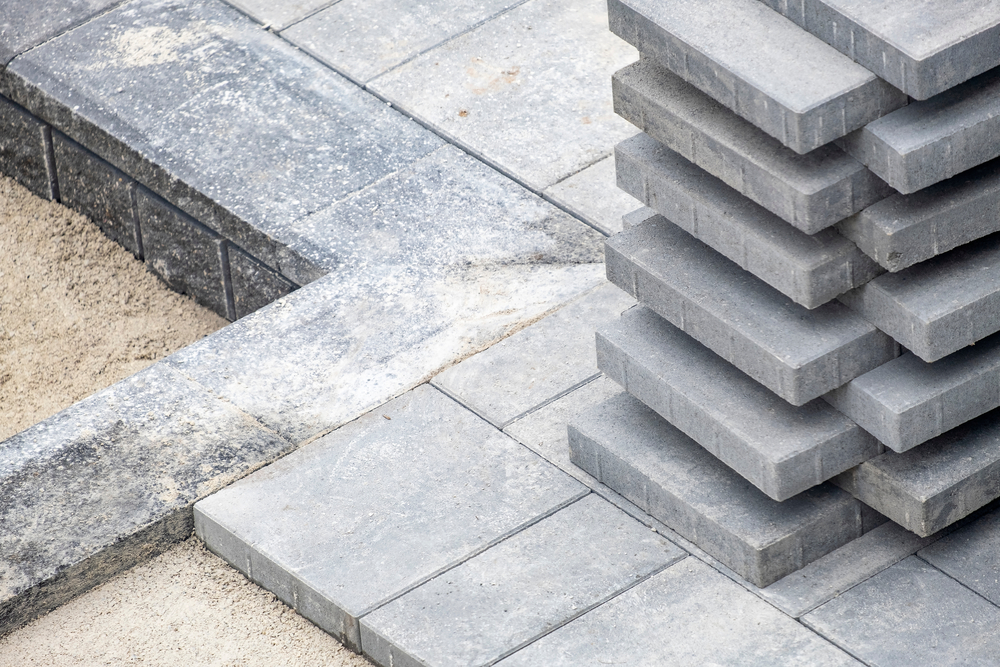
A paver patio comparison almost always highlights one standout advantage: flexibility. Pavers come in an enormous range of materials including concrete pavers, clay brick, natural stone, and porcelain, giving homeowners far more design freedom than a poured slab. You can create intricate patterns, mix colors, and build shapes that a poured concrete pour simply cannot replicate without significant added cost.
Installation flexibility is another major selling point. Pavers are laid on a compacted base of gravel and sand, which means they can be installed and adjusted more easily than a poured slab. If a paver cracks, chips, or shifts, you can lift and replace that single piece without disturbing the rest of the patio. This makes long-term repairs far simpler and less expensive, which is a genuine advantage when comparing hardscape options over a 20 to 30 year time horizon.
Pavers also handle drainage more naturally. The joints between individual pieces allow water to filter through the surface rather than run off in sheets, reducing puddle formation and helping manage stormwater on your property. For homeowners in areas with heavy rainfall, this permeability is a meaningful functional benefit. Additionally, pavers tend to hold up well in freeze-thaw cycles because individual pieces can shift slightly without causing the kind of widespread cracking that plagues monolithic concrete slabs.
The Challenges of Paver Installations
While paver patios offer compelling benefits, they come with their own set of challenges. The most immediate is cost. Paver installations typically run higher than poured concrete, both in materials and labor. Natural stone pavers in particular can be quite expensive, and the precision required to lay a well-aligned, properly graded paver surface takes skilled hands and time. For homeowners on a tight budget, the upfront investment can be a significant barrier.
Maintenance is also more involved with pavers than many people expect. The joints between pavers are filled with sand or polymeric sand to lock pieces in place and resist weed growth, but over time that joint material can wash away, settle, or become a foothold for grass and weeds. Periodic re-sanding and sealing is necessary to keep a paver patio looking sharp. In shaded or damp environments, pavers can also develop moss or algae growth that requires cleaning to prevent slipping hazards.
Settling is another concern. If the base material beneath the pavers is not prepared correctly, individual pavers can shift, sink, or heave over time, creating an uneven surface that is both unsightly and potentially hazardous. Proper base preparation is critical, and cutting corners during installation often leads to costly repairs down the road.
Comparing Long-Term Value and Practicality
When evaluating outdoor flooring choices from a long-term perspective, both poured concrete patios and paver installations have genuine merit. The right choice depends heavily on your budget, your climate, your design preferences, and how much ongoing maintenance you are willing to handle.
From a return-on-investment standpoint, pavers tend to add slightly more perceived value to a home because of their visual appeal and the ease of repair. Real estate professionals often note that well-designed paver patios photograph well and appeal to buyers during resale. Concrete, while functional, can look dated or worn after years of weathering unless it has been consistently maintained and sealed.
Climate plays a major role in this decision as well. Homeowners in colder regions like the Midwest or Northeast often find that pavers outperform concrete slabs over time because they handle freeze-thaw movement better at the joint level. In warmer, more stable climates like the Southwest, poured concrete holds up quite well and its lower cost becomes an even more attractive feature.
For large, simple installations where budget is the primary concern, poured concrete remains a practical and reliable choice. For homeowners who want design flexibility, easier repairs, and a patio material that can be modified or expanded over time, pavers are worth the additional investment. Thinking through these factors carefully before construction begins will save you money, frustration, and regret in the years ahead.
Conclusion
Choosing between poured concrete patios and paver patios is not a one-size-fits-all decision. Both are strong hardscape options with distinct advantages depending on your priorities. Concrete offers affordability and simplicity, while pavers deliver design freedom and long-term adaptability. By weighing the pros and cons against your specific needs, climate, and budget, you can select the outdoor flooring solution that will serve your home well for years to come.
Need a Premier Commercial & Residential Landscaper Near You?
When you are ready to elevate your outdoor space, our team at Twin Oaks Landscaping, Inc. is here to bring your vision to life with expert craftsmanship and personalized care. We proudly serve Banner Elk, North Carolina with premier landscaping solutions for both residential and commercial properties, from detailed landscape design and seamless installation to hardscapes, pavers, tree services, erosion control, drainage, ongoing maintenance, mulch installation, and seasonal snow removal. Whether you are planning a complete transformation or need dependable year round upkeep, you can trust our experienced landscapers to deliver results that enhance beauty, function, and value. Give us a call today!
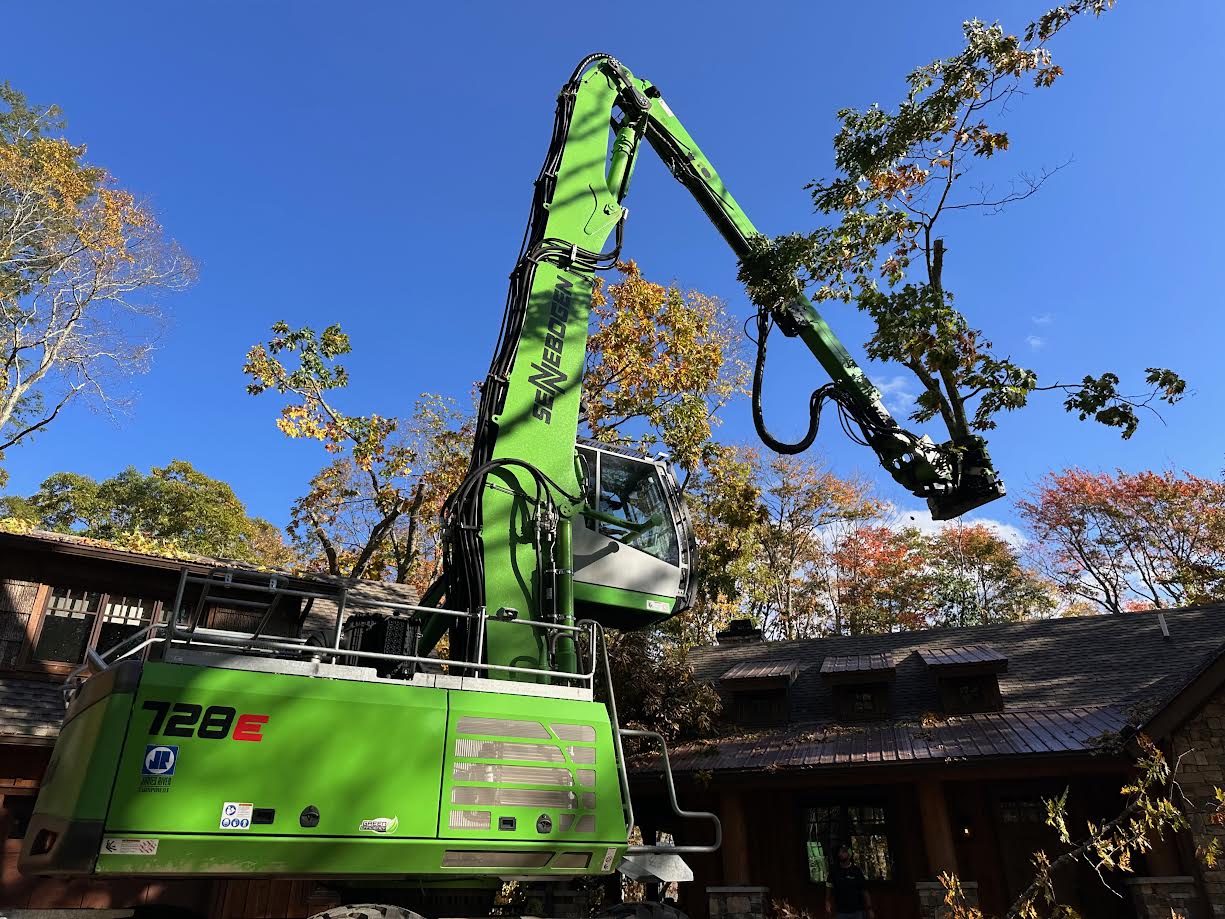
Trees are an essential part of the natural landscape in Banner Elk, North Carolina. These majestic plants provide shade, improve air quality, and enhance the aesthetic appeal of residential and commercial properties throughout the region. However, not all trees remain healthy throughout their lifespan. Understanding tree removal signs is crucial for property owners who want to maintain safe outdoor spaces. Recognizing when a tree needs to be removed can prevent accidents, property damage, and potential injuries.
This comprehensive guide will help you identify the key indicators that signal the need for professional tree removal in Banner Elk.
Dying Tree Symptoms
Identifying dying tree symptoms is one of the most important aspects of maintaining tree safety on your property. A dying tree often displays visible warning signs that indicate its health is declining. One of the most common dying tree symptoms is the presence of bare branches or significant leaf loss during the growing season. If your tree has lost more than half of its foliage and it is not autumn, this is a strong indicator that something is wrong.
Another critical dying tree symptom involves the tree’s bark. Healthy tree bark should be intact and firmly attached to the trunk. If you notice large sections of bark peeling away or missing entirely, the tree is likely experiencing serious health issues. Additionally, excessive insect damage or woodpecker holes can indicate that the tree is already weakened and attracting wood-boring insects. These signs suggest that the tree may not recover and could pose hazards to your property and safety.
The overall structure of the tree can also reveal important information about its health. A tree that appears lopsided or has significant crown dieback may struggle to maintain its integrity. Crown dieback refers to the death of branches throughout the upper portion of the tree. When you notice this symptom, professional tree inspection becomes increasingly important to assess whether removal is necessary.
Recognizing Hazardous Trees in Your Landscape
Hazardous trees present immediate safety concerns that require urgent attention. A hazardous tree is one that poses a direct threat to people, structures, or other valuable property. Not every dead tree requires removal, but hazardous trees absolutely do. Understanding the characteristics of hazardous trees can help you protect your family and neighbors.
One of the most obvious signs of a hazardous tree is the presence of large dead branches that hang over your home, garage, or other structures. Dead wood becomes brittle and can fall without warning, especially during storms or high winds. If you have children who play in your yard, dead branches overhead create unacceptable safety risks. In Banner Elk, where winter weather can be severe, the combination of heavy snow and dead branches can lead to catastrophic failure.
Hazardous trees may also lean significantly away from their natural growing position. A tree that has started to lean may indicate root damage or soil instability. While some trees naturally grow at slight angles, a dramatic lean or sudden change in a tree’s angle suggests structural failure is likely. Professional arborists can assess whether a leaning tree will recover or if removal is the safest option.
Trees growing too close to power lines represent another category of hazardous trees. Branches touching electrical lines create fire hazards and can cause power outages. The utility companies in Banner Elk often require that trees near power lines be trimmed back significantly or removed entirely. If you are unsure about whether your tree is too close to power lines, contact your local utility provider for assessment.
Conducting a Proper Tree Inspection
A comprehensive tree inspection is the best way to determine whether your tree requires removal. While homeowners can perform basic visual assessments, a professional tree inspection provides the most accurate evaluation. Certified arborists in Banner Elk have the training and experience to identify problems that untrained eyes might miss.
During a tree inspection, professionals evaluate several key factors. They examine the trunk for signs of disease, decay, or pest infestation. They assess the tree’s overall structure and look for signs of stress. They also consider the tree’s location relative to structures, property lines, and other valuable features. A thorough tree inspection takes into account the tree’s species, age, and expected lifespan.
When to remove trees becomes clear after a professional inspection. An arborist can provide recommendations based on the tree’s health status, structural integrity, and potential hazards. They can also advise whether pruning or other treatments might save the tree. In some cases, tree removal can be postponed if proper maintenance can restore the tree’s health.
Professional tree inspection also helps you understand whether the tree is simply in decline or if it can be saved through treatment. Some diseases can be managed with proper care, while others are terminal. Some structural problems can be corrected through professional pruning, while others indicate the tree should be removed. An arborist will help you make the best decision for your specific situation.
Assessing Disease and Pest Damage
Disease and pest problems represent major reasons for tree removal in Banner Elk. North Carolina’s climate and forests host various tree diseases that can compromise tree health. When to remove trees affected by disease often depends on the specific disease and the tree’s overall condition.
Common tree diseases in North Carolina include oak wilt, chestnut blight, and Dutch elm disease. These diseases spread through the tree’s vascular system and are often fatal. If your tree has been diagnosed with a terminal disease, tree removal becomes the responsible choice to prevent spread to neighboring trees. Removing infected trees quickly helps protect the health of other trees in your community.
Pest infestations can also necessitate tree removal. The hemlock woolly adelgid has been devastating native hemlock populations throughout the mountains of North Carolina, including the Banner Elk area. Trees infested with certain insects that cause structural damage may become unstable or may pose ongoing pest management challenges. Your tree removal decision might depend on whether treatment options can effectively control the infestation.
When assessing disease and pest damage, consider the extent of the problem. A tree with minor pest damage or early-stage disease might be treatable. A tree with advanced disease or severe pest infestation may not survive treatment and should be removed. Professional tree inspection helps determine which category your tree falls into.
Safety Considerations and Storm Damage
Storm damage frequently creates situations where tree removal becomes necessary for safety reasons. High winds, heavy snow, and ice storms can damage trees and create immediate hazards. After severe weather, inspect your trees carefully for new damage that might require removal or emergency tree safety measures.
Trees damaged by storms may appear stable at first glance but could be compromised internally. A tree with split trunks, broken branches, or exposed wood may not recover fully. Trees that have been uprooted or had their root systems exposed should be evaluated immediately. These trees will likely require removal to prevent future failures.
For your tree safety, develop a plan before storm season arrives. Identify large trees near your home or structures. Trim dead branches annually. Hire professionals to inspect trees after major storms. If you notice damage, do not wait. Contact a professional tree removal service right away. Waiting to address storm damage can allow conditions to worsen and increase safety risks.
Conclusion
Recognizing when a tree needs to be removed in Banner Elk, North Carolina, requires attention to dying tree symptoms, hazardous tree characteristics, and professional advice. Regular tree inspection by certified arborists helps you catch problems early. By understanding tree removal signs and acting promptly, you protect your property, family, and community. When you notice tree safety concerns, consult with local professionals who understand the specific conditions and tree species found in Banner Elk.
Need a Premier Commercial & Residential Landscaper Near You?
When you are ready to elevate your outdoor space, our team at Twin Oaks Landscaping, Inc. is here to bring your vision to life with expert craftsmanship and personalized care. We proudly serve Banner Elk, North Carolina with premier landscaping solutions for both residential and commercial properties, from detailed landscape design and seamless installation to hardscapes, pavers, tree services, erosion control, drainage, ongoing maintenance, mulch installation, and seasonal snow removal. Whether you are planning a complete transformation or need dependable year round upkeep, you can trust our experienced landscapers to deliver results that enhance beauty, function, and value. Give us a call today!
In a place like Banner Elk, outdoor spaces are meant to be used. Between year-round residents, seasonal visitors, vacation rental guests, and commercial foot traffic, patios, walkways, and gathering areas rarely stay quiet for long. Add in mountain weather conditions that include freezing winters, heavy rains, and fluctuating temperatures, and your hardscape needs to do more than just look good. It needs to perform.
Choosing the right hardscape materials in Banner Elk, NC, is about more than color or style. It is about durability, safety, maintenance, and long-term value. High-traffic areas experience constant pressure, shifting weight, and environmental stress. Without proper planning and professional installation, surfaces can crack, shift, or deteriorate faster than expected. Twin Oaks Landscaping, Inc. specializes in installing durable, weather-resistant hardscapes suited for mountain climates, helping homeowners and property managers invest in materials that stand up to both foot traffic and the elements.
The Unique Challenges of High-Traffic Mountain Environments
High-traffic areas experience ongoing wear. Entry walkways, patios around fire pits, pool decks, rental property courtyards, and commercial gathering spaces all face constant movement. In mountain communities like Banner Elk, these spaces must also endure freeze-thaw cycles that can weaken poorly installed materials.
When moisture seeps into small cracks and freezes, it expands. Over time, that expansion can cause splitting, lifting, and surface damage. Rainfall runoff on sloped terrain adds additional pressure, especially if drainage is not properly managed. In the winter months, snow removal can further stress the surface.
For vacation rental property owners and HOAs, durability becomes even more critical. Guests may not treat outdoor areas with the same care as homeowners. Furniture movement, heavy foot traffic, and outdoor equipment can quickly expose weaknesses in inferior materials.
Selecting durable patio materials in North Carolina that are specifically suited to mountain conditions helps prevent premature damage. The right base preparation, drainage strategy, and installation techniques are just as important as the surface material itself.
Concrete Pavers: Reliable and Flexible for High-Traffic Use
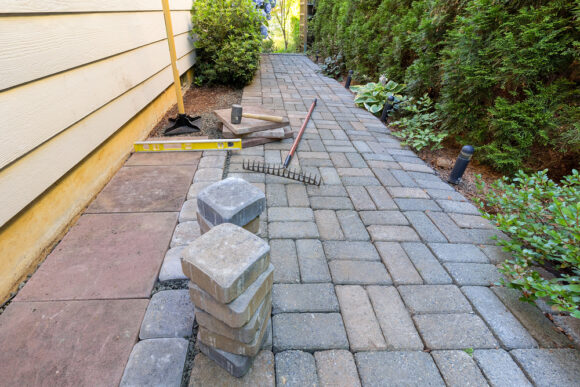
Concrete pavers are among the most popular high traffic pavers in North Carolina for good reason. They offer strength, versatility, and resilience in demanding environments. Unlike poured concrete slabs, pavers are installed as individual units over a properly prepared base. This allows for slight movement without cracking when the ground shifts or temperatures fluctuate.
For high-traffic patios and walkways, this flexibility is a major advantage. If one paver becomes damaged, it can be replaced individually without disturbing the entire surface. This makes long-term maintenance simpler and more cost-effective.
Concrete pavers are also available in a wide range of colors, textures, and patterns, allowing property owners to customize their outdoor space while maintaining durability. In commercial settings or rental properties, they provide a professional appearance while standing up to constant use.
When installed by experienced professionals like Twin Oaks Landscaping, Inc., concrete pavers are carefully leveled and compacted to prevent settling. Proper edge restraints and drainage planning ensure that surfaces remain stable even during heavy rains or snowmelt.
Natural Stone: Timeless Beauty with Mountain Strength
For homeowners seeking a more organic look, natural stone remains one of the most durable patio materials in North Carolina. Materials such as flagstone, bluestone, and granite are inherently strong and well-suited for mountain climates.
Natural stone handles freeze-thaw cycles better than many manufactured products when installed correctly. Its density and composition make it resistant to cracking under pressure. For high-end residential properties and luxury vacation rentals, stone adds long-term value and visual appeal.
However, natural stone does require thoughtful installation. Uneven surfaces can create tripping hazards in high-traffic areas if not properly leveled. Joints must be secured and sealed appropriately to prevent weed growth and shifting.
Twin Oaks Landscaping, Inc. brings expertise in designing and installing stone hardscapes that balance aesthetics with structural integrity. By combining careful base preparation with expert craftsmanship, natural stone patios and walkways can handle years of consistent use.
Maintenance considerations are also important. While natural stone is durable, it may benefit from periodic sealing to preserve color and protect against staining, especially in outdoor dining areas or heavily used communal spaces.
Stamped Concrete: Cost-Effective and Customizable
Stamped concrete offers another option for high-traffic areas, blending visual customization with structural strength. By imprinting patterns that mimic brick, slate, or stone into poured concrete, homeowners achieve a decorative look at a lower cost than full natural stone installations.
For large commercial spaces or HOA common areas, stamped concrete can provide a seamless, uniform surface. It handles foot traffic well when properly reinforced and sealed. However, it behaves differently than pavers in freeze-thaw conditions.
Because stamped concrete is poured as a continuous slab, it is more susceptible to cracking if ground movement occurs. Expansion joints and reinforcement are essential in mountain climates. Without these precautions, temperature swings in Banner Elk can lead to surface fractures.
While stamped concrete can be an attractive and economical solution, it often requires resealing every few years to maintain its appearance and prevent moisture intrusion. Property managers should factor in this ongoing maintenance when evaluating long-term value.
Twin Oaks Landscaping, Inc. helps clients weigh these considerations carefully, ensuring that stamped concrete installations are reinforced and sealed appropriately for North Carolina’s weather patterns.
Long-Term Value and Professional Installation Matter Most
Regardless of which material you choose, professional installation determines performance. Even the most durable patio materials in North Carolina can fail if installed over an inadequate base or without proper drainage.
High-traffic pavers in North Carolina require a compacted gravel foundation that supports weight evenly. Drainage channels must be incorporated to direct water away from structures. Edge restraints prevent shifting, and joint materials must be selected based on expected use.
For commercial property managers and HOAs, investing in quality installation reduces long-term maintenance costs. Repairing poorly installed hardscapes often costs more than doing the job correctly the first time.
Twin Oaks Landscaping, Inc. specializes in hardscape materials in Banner Elk, NC, that are built to withstand mountain climates. Their experience allows them to anticipate challenges such as sloped terrain, heavy precipitation, and temperature extremes. By prioritizing structural integrity alongside design, they create outdoor spaces that hold up under pressure.
Homeowners and rental property owners benefit from this long-term approach. A durable hardscape enhances property value, reduces liability risks, and provides a safe, attractive gathering space for years to come.
Choosing the Right Material for Your Property
Selecting the best material for a high-traffic area depends on how the space will be used, the aesthetic you prefer, and your maintenance expectations. Concrete pavers offer flexibility and easy repair. Natural stone provides timeless beauty and strength. Stamped concrete delivers a decorative look with cost efficiency when installed and maintained properly.
In Banner Elk and surrounding mountain communities, climate plays a decisive role. Freeze-thaw cycles, rainfall, and elevation demand materials and installation techniques that prioritize durability.
By partnering with Twin Oaks Landscaping, Inc., property owners gain access to expert guidance and installation tailored to mountain conditions. Whether upgrading a residential patio, enhancing a vacation rental courtyard, or developing a commercial gathering space, choosing the right hardscape materials in Banner Elk, NC, ensures lasting performance.
High-traffic outdoor areas should be built to handle both people and weather. With thoughtful material selection and expert craftsmanship, your hardscape can remain strong, safe, and visually appealing through every season North Carolina has to offer.
As the leaves fall and temperatures drop in Banner Elk, North Carolina, homeowners must turn their attention toward getting their properties ready for the harsh winter season. Winter in the High Country is known for its heavy snowfall, freezing temperatures, and unpredictable weather. If you own a home or vacation property in Banner Elk, winter property prep is not just a recommendation, it is a necessity. Taking proactive steps to prepare your property will help you avoid costly damage, ensure the safety of your home, and keep your outdoor spaces functional and beautiful all season long.
Inspect and Winterize Key Home Systems
Before the first snowflake falls, it is essential to examine the internal systems that keep your home running smoothly. Start with your heating system. Have a licensed HVAC technician perform a complete inspection of your furnace or heat pump. Clean filters, test thermostats, and check for carbon monoxide leaks. It is important to catch small issues early, before they leave you in the cold during a snowstorm.
Pipes are especially vulnerable to freezing temperatures. To prevent frozen or burst pipes, insulate exposed water lines in unheated areas like basements, crawl spaces, and garages. Shut off and drain exterior spigots and irrigation systems. If your property will be vacant for long periods, consider having your water system professionally winterized to avoid freeze-related water damage.
Also, inspect your fireplace or wood stove, if applicable. Creosote buildup in chimneys is a major fire hazard during the winter months. Hire a chimney sweep to clean and inspect the flue, and make sure your damper is functioning properly. This is a critical part of property protection winter planning.
Clear and Prepare Outdoor Areas for Snowfall
Preparing your exterior spaces for snow is another vital component of your snow preparation guide. Begin with the roof. Remove debris from gutters and downspouts to prevent ice dams, which can lead to roof leaks and interior water damage. Trim overhanging branches that could break under the weight of snow and fall onto your home or vehicles.
Make sure walkways, driveways, and other high-traffic areas are ready for snow removal. Repair cracks or uneven areas in concrete or asphalt surfaces that could become hazardous when hidden by snow or ice. Keep snow shovels, salt, and other de-icing supplies in an easily accessible location. If you own a snowblower, test it now and perform any necessary maintenance.
Another important task is checking the condition of your deck, patio, or porch. Wooden surfaces can suffer from moisture buildup and freezing temperatures, so apply a protective sealant before snow season begins. Clear away furniture or store it in a safe, dry place to reduce wear and tear during prolonged exposure to snow.
Protect Your Landscape with Cold Weather Landscaping Techniques
While Banner Elk snow tips often focus on homes and driveways, your yard and landscaping require attention too. Cold weather landscaping involves thoughtful planning and execution to ensure your plants, trees, and garden beds survive the winter intact.
Begin by mulching around the base of shrubs, trees, and perennial plants. Mulch acts as an insulator, helping the soil retain moisture and shielding roots from extreme cold. Water your landscaping thoroughly in late fall. Moist soil freezes more slowly than dry soil, offering better protection for root systems.
Wrap young or delicate trees with burlap or frost blankets to guard against wind and heavy snow. Prune dead branches that could snap under snow load. If you have a garden, remove any remaining vegetation and cover the beds with straw or compost to enrich the soil and prevent erosion.
Pay close attention to your lawn. While growth slows in cooler weather, winter yard care should include a final mow and a high-phosphorus fertilizer application. This helps grass roots grow strong through the winter and promotes lush green growth come spring.
Secure Structures, Vehicles, and Equipment
Winterizing your Banner Elk property goes beyond the home and garden. Make sure all outbuildings, sheds, and garages are secure and weather-tight. Repair leaks or holes in roofs and siding that might allow snow and cold air to enter. Check doors and windows for drafts and apply weather stripping where needed.
Vehicles and recreational equipment should be prepared as well. For seasonal vehicles like ATVs or snowmobiles, top off fluids, inflate tires, and cover or store them in a garage. Drain fuel tanks of lawn mowers or other summer equipment that will not be used for months.
Generator maintenance is another key task, especially in areas prone to power outages. Test your generator, change the oil, and ensure it has a fresh fuel supply. If your property relies on propane, schedule a refill and check that the tank is accessible in heavy snow conditions.
Take the time to double-check that snow removal tools and accessories are in good working order. Snow shovels should be sturdy and ergonomically designed. Ice melt should be stocked in advance. If you rely on a professional snow removal service, confirm your contract and make sure they have easy access to your property when needed.
Plan Ahead for Safety and Emergencies
No winter property prep plan is complete without attention to safety and emergency preparedness. Heavy snow and ice can lead to extended power outages, road closures, and limited access to emergency services, especially in remote areas around Banner Elk.
Create an emergency kit that includes flashlights, extra batteries, blankets, bottled water, non-perishable food, and essential medications. A battery-powered radio can help you stay updated on weather conditions if internet or phone service goes out.
Check smoke and carbon monoxide detectors throughout the house. Replace batteries and test alarms to ensure they function correctly. Heating systems and fireplaces increase the risk of indoor air contamination during the winter, so these systems must be closely monitored.
If you are not living at the property full-time, enlist a local caretaker or neighbor to check on the home regularly. They can alert you to any issues such as frozen pipes, storm damage, or unauthorized access. This is one of the most effective ways to ensure property protection winter efforts are successful, even when you are away.
Conclusion
Preparing your Banner Elk property for winter snow is a task that requires foresight, planning, and careful execution. From inspecting heating systems and sealing up vulnerable structures to practicing proper cold weather landscaping and snow removal preparation, every step you take now can prevent costly repairs and safety hazards later. Whether your home is a permanent residence or a seasonal getaway, investing time in winter property prep ensures peace of mind during the coldest months of the year. By following this comprehensive snow preparation guide and applying smart Banner Elk snow tips, you will be well-equipped to face the winter with confidence and security.
Need a Premier Commercial & Residential Landscaper Near You?
When you are ready to elevate your outdoor space, our team at Twin Oaks Landscaping, Inc. is here to bring your vision to life with expert craftsmanship and personalized care. We proudly serve Banner Elk, North Carolina with premier landscaping solutions for both residential and commercial properties, from detailed landscape design and seamless installation to hardscapes, pavers, tree services, erosion control, drainage, ongoing maintenance, mulch installation, and seasonal snow removal. Whether you are planning a complete transformation or need dependable year round upkeep, you can trust our experienced landscapers to deliver results that enhance beauty, function, and value. Give us a call today!