In a place like Banner Elk, outdoor spaces are meant to be used. Between year-round residents, seasonal visitors, vacation rental guests, and commercial foot traffic, patios, walkways, and gathering areas rarely stay quiet for long. Add in mountain weather conditions that include freezing winters, heavy rains, and fluctuating temperatures, and your hardscape needs to do more than just look good. It needs to perform.
Choosing the right hardscape materials in Banner Elk, NC, is about more than color or style. It is about durability, safety, maintenance, and long-term value. High-traffic areas experience constant pressure, shifting weight, and environmental stress. Without proper planning and professional installation, surfaces can crack, shift, or deteriorate faster than expected. Twin Oaks Landscaping, Inc. specializes in installing durable, weather-resistant hardscapes suited for mountain climates, helping homeowners and property managers invest in materials that stand up to both foot traffic and the elements.
The Unique Challenges of High-Traffic Mountain Environments
High-traffic areas experience ongoing wear. Entry walkways, patios around fire pits, pool decks, rental property courtyards, and commercial gathering spaces all face constant movement. In mountain communities like Banner Elk, these spaces must also endure freeze-thaw cycles that can weaken poorly installed materials.
When moisture seeps into small cracks and freezes, it expands. Over time, that expansion can cause splitting, lifting, and surface damage. Rainfall runoff on sloped terrain adds additional pressure, especially if drainage is not properly managed. In the winter months, snow removal can further stress the surface.
For vacation rental property owners and HOAs, durability becomes even more critical. Guests may not treat outdoor areas with the same care as homeowners. Furniture movement, heavy foot traffic, and outdoor equipment can quickly expose weaknesses in inferior materials.
Selecting durable patio materials in North Carolina that are specifically suited to mountain conditions helps prevent premature damage. The right base preparation, drainage strategy, and installation techniques are just as important as the surface material itself.
Concrete Pavers: Reliable and Flexible for High-Traffic Use
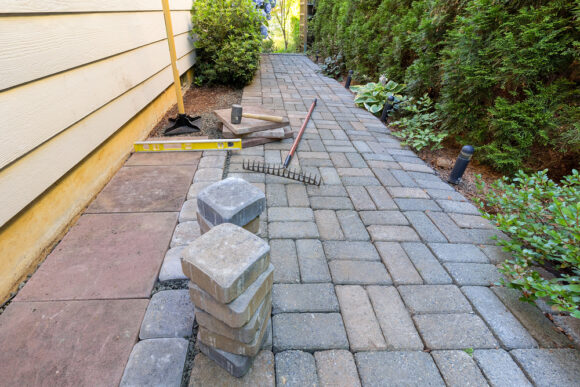
Concrete pavers are among the most popular high traffic pavers in North Carolina for good reason. They offer strength, versatility, and resilience in demanding environments. Unlike poured concrete slabs, pavers are installed as individual units over a properly prepared base. This allows for slight movement without cracking when the ground shifts or temperatures fluctuate.
For high-traffic patios and walkways, this flexibility is a major advantage. If one paver becomes damaged, it can be replaced individually without disturbing the entire surface. This makes long-term maintenance simpler and more cost-effective.
Concrete pavers are also available in a wide range of colors, textures, and patterns, allowing property owners to customize their outdoor space while maintaining durability. In commercial settings or rental properties, they provide a professional appearance while standing up to constant use.
When installed by experienced professionals like Twin Oaks Landscaping, Inc., concrete pavers are carefully leveled and compacted to prevent settling. Proper edge restraints and drainage planning ensure that surfaces remain stable even during heavy rains or snowmelt.
Natural Stone: Timeless Beauty with Mountain Strength
For homeowners seeking a more organic look, natural stone remains one of the most durable patio materials in North Carolina. Materials such as flagstone, bluestone, and granite are inherently strong and well-suited for mountain climates.
Natural stone handles freeze-thaw cycles better than many manufactured products when installed correctly. Its density and composition make it resistant to cracking under pressure. For high-end residential properties and luxury vacation rentals, stone adds long-term value and visual appeal.
However, natural stone does require thoughtful installation. Uneven surfaces can create tripping hazards in high-traffic areas if not properly leveled. Joints must be secured and sealed appropriately to prevent weed growth and shifting.
Twin Oaks Landscaping, Inc. brings expertise in designing and installing stone hardscapes that balance aesthetics with structural integrity. By combining careful base preparation with expert craftsmanship, natural stone patios and walkways can handle years of consistent use.
Maintenance considerations are also important. While natural stone is durable, it may benefit from periodic sealing to preserve color and protect against staining, especially in outdoor dining areas or heavily used communal spaces.
Stamped Concrete: Cost-Effective and Customizable
Stamped concrete offers another option for high-traffic areas, blending visual customization with structural strength. By imprinting patterns that mimic brick, slate, or stone into poured concrete, homeowners achieve a decorative look at a lower cost than full natural stone installations.
For large commercial spaces or HOA common areas, stamped concrete can provide a seamless, uniform surface. It handles foot traffic well when properly reinforced and sealed. However, it behaves differently than pavers in freeze-thaw conditions.
Because stamped concrete is poured as a continuous slab, it is more susceptible to cracking if ground movement occurs. Expansion joints and reinforcement are essential in mountain climates. Without these precautions, temperature swings in Banner Elk can lead to surface fractures.
While stamped concrete can be an attractive and economical solution, it often requires resealing every few years to maintain its appearance and prevent moisture intrusion. Property managers should factor in this ongoing maintenance when evaluating long-term value.
Twin Oaks Landscaping, Inc. helps clients weigh these considerations carefully, ensuring that stamped concrete installations are reinforced and sealed appropriately for North Carolina’s weather patterns.
Long-Term Value and Professional Installation Matter Most
Regardless of which material you choose, professional installation determines performance. Even the most durable patio materials in North Carolina can fail if installed over an inadequate base or without proper drainage.
High-traffic pavers in North Carolina require a compacted gravel foundation that supports weight evenly. Drainage channels must be incorporated to direct water away from structures. Edge restraints prevent shifting, and joint materials must be selected based on expected use.
For commercial property managers and HOAs, investing in quality installation reduces long-term maintenance costs. Repairing poorly installed hardscapes often costs more than doing the job correctly the first time.
Twin Oaks Landscaping, Inc. specializes in hardscape materials in Banner Elk, NC, that are built to withstand mountain climates. Their experience allows them to anticipate challenges such as sloped terrain, heavy precipitation, and temperature extremes. By prioritizing structural integrity alongside design, they create outdoor spaces that hold up under pressure.
Homeowners and rental property owners benefit from this long-term approach. A durable hardscape enhances property value, reduces liability risks, and provides a safe, attractive gathering space for years to come.
Choosing the Right Material for Your Property
Selecting the best material for a high-traffic area depends on how the space will be used, the aesthetic you prefer, and your maintenance expectations. Concrete pavers offer flexibility and easy repair. Natural stone provides timeless beauty and strength. Stamped concrete delivers a decorative look with cost efficiency when installed and maintained properly.
In Banner Elk and surrounding mountain communities, climate plays a decisive role. Freeze-thaw cycles, rainfall, and elevation demand materials and installation techniques that prioritize durability.
By partnering with Twin Oaks Landscaping, Inc., property owners gain access to expert guidance and installation tailored to mountain conditions. Whether upgrading a residential patio, enhancing a vacation rental courtyard, or developing a commercial gathering space, choosing the right hardscape materials in Banner Elk, NC, ensures lasting performance.
High-traffic outdoor areas should be built to handle both people and weather. With thoughtful material selection and expert craftsmanship, your hardscape can remain strong, safe, and visually appealing through every season North Carolina has to offer.
As the leaves fall and temperatures drop in Banner Elk, North Carolina, homeowners must turn their attention toward getting their properties ready for the harsh winter season. Winter in the High Country is known for its heavy snowfall, freezing temperatures, and unpredictable weather. If you own a home or vacation property in Banner Elk, winter property prep is not just a recommendation, it is a necessity. Taking proactive steps to prepare your property will help you avoid costly damage, ensure the safety of your home, and keep your outdoor spaces functional and beautiful all season long.
Inspect and Winterize Key Home Systems
Before the first snowflake falls, it is essential to examine the internal systems that keep your home running smoothly. Start with your heating system. Have a licensed HVAC technician perform a complete inspection of your furnace or heat pump. Clean filters, test thermostats, and check for carbon monoxide leaks. It is important to catch small issues early, before they leave you in the cold during a snowstorm.
Pipes are especially vulnerable to freezing temperatures. To prevent frozen or burst pipes, insulate exposed water lines in unheated areas like basements, crawl spaces, and garages. Shut off and drain exterior spigots and irrigation systems. If your property will be vacant for long periods, consider having your water system professionally winterized to avoid freeze-related water damage.
Also, inspect your fireplace or wood stove, if applicable. Creosote buildup in chimneys is a major fire hazard during the winter months. Hire a chimney sweep to clean and inspect the flue, and make sure your damper is functioning properly. This is a critical part of property protection winter planning.
Clear and Prepare Outdoor Areas for Snowfall
Preparing your exterior spaces for snow is another vital component of your snow preparation guide. Begin with the roof. Remove debris from gutters and downspouts to prevent ice dams, which can lead to roof leaks and interior water damage. Trim overhanging branches that could break under the weight of snow and fall onto your home or vehicles.
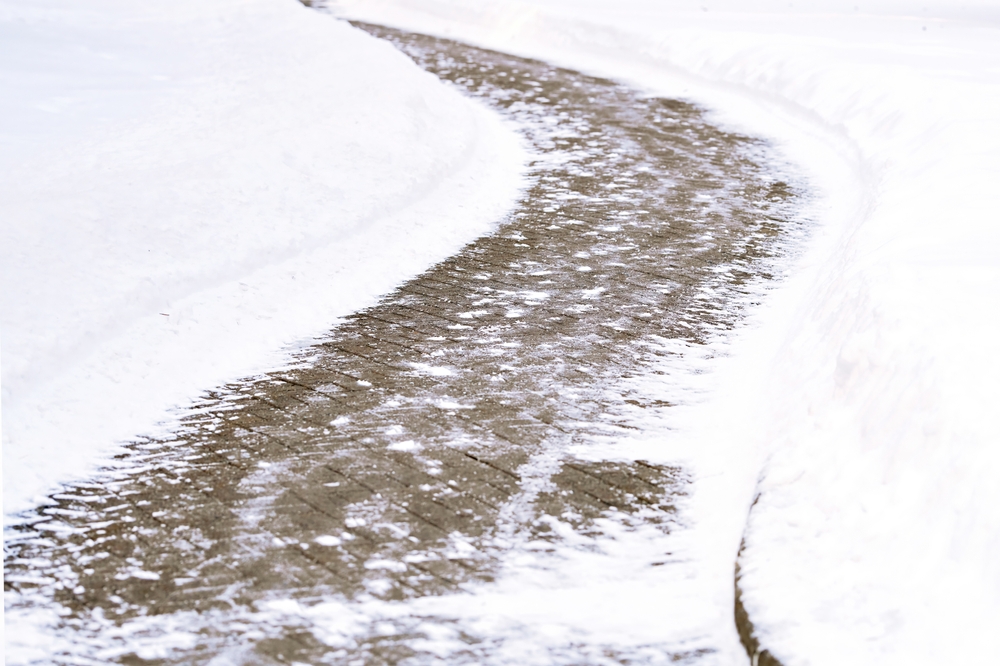
Make sure walkways, driveways, and other high-traffic areas are ready for snow removal. Repair cracks or uneven areas in concrete or asphalt surfaces that could become hazardous when hidden by snow or ice. Keep snow shovels, salt, and other de-icing supplies in an easily accessible location. If you own a snowblower, test it now and perform any necessary maintenance.
Another important task is checking the condition of your deck, patio, or porch. Wooden surfaces can suffer from moisture buildup and freezing temperatures, so apply a protective sealant before snow season begins. Clear away furniture or store it in a safe, dry place to reduce wear and tear during prolonged exposure to snow.
Protect Your Landscape with Cold Weather Landscaping Techniques
While Banner Elk snow tips often focus on homes and driveways, your yard and landscaping require attention too. Cold weather landscaping involves thoughtful planning and execution to ensure your plants, trees, and garden beds survive the winter intact.
Begin by mulching around the base of shrubs, trees, and perennial plants. Mulch acts as an insulator, helping the soil retain moisture and shielding roots from extreme cold. Water your landscaping thoroughly in late fall. Moist soil freezes more slowly than dry soil, offering better protection for root systems.
Wrap young or delicate trees with burlap or frost blankets to guard against wind and heavy snow. Prune dead branches that could snap under snow load. If you have a garden, remove any remaining vegetation and cover the beds with straw or compost to enrich the soil and prevent erosion.
Pay close attention to your lawn. While growth slows in cooler weather, winter yard care should include a final mow and a high-phosphorus fertilizer application. This helps grass roots grow strong through the winter and promotes lush green growth come spring.
Secure Structures, Vehicles, and Equipment
Winterizing your Banner Elk property goes beyond the home and garden. Make sure all outbuildings, sheds, and garages are secure and weather-tight. Repair leaks or holes in roofs and siding that might allow snow and cold air to enter. Check doors and windows for drafts and apply weather stripping where needed.
Vehicles and recreational equipment should be prepared as well. For seasonal vehicles like ATVs or snowmobiles, top off fluids, inflate tires, and cover or store them in a garage. Drain fuel tanks of lawn mowers or other summer equipment that will not be used for months.
Generator maintenance is another key task, especially in areas prone to power outages. Test your generator, change the oil, and ensure it has a fresh fuel supply. If your property relies on propane, schedule a refill and check that the tank is accessible in heavy snow conditions.
Take the time to double-check that snow removal tools and accessories are in good working order. Snow shovels should be sturdy and ergonomically designed. Ice melt should be stocked in advance. If you rely on a professional snow removal service, confirm your contract and make sure they have easy access to your property when needed.
Plan Ahead for Safety and Emergencies
No winter property prep plan is complete without attention to safety and emergency preparedness. Heavy snow and ice can lead to extended power outages, road closures, and limited access to emergency services, especially in remote areas around Banner Elk.
Create an emergency kit that includes flashlights, extra batteries, blankets, bottled water, non-perishable food, and essential medications. A battery-powered radio can help you stay updated on weather conditions if internet or phone service goes out.
Check smoke and carbon monoxide detectors throughout the house. Replace batteries and test alarms to ensure they function correctly. Heating systems and fireplaces increase the risk of indoor air contamination during the winter, so these systems must be closely monitored.
If you are not living at the property full-time, enlist a local caretaker or neighbor to check on the home regularly. They can alert you to any issues such as frozen pipes, storm damage, or unauthorized access. This is one of the most effective ways to ensure property protection winter efforts are successful, even when you are away.
Conclusion
Preparing your Banner Elk property for winter snow is a task that requires foresight, planning, and careful execution. From inspecting heating systems and sealing up vulnerable structures to practicing proper cold weather landscaping and snow removal preparation, every step you take now can prevent costly repairs and safety hazards later. Whether your home is a permanent residence or a seasonal getaway, investing time in winter property prep ensures peace of mind during the coldest months of the year. By following this comprehensive snow preparation guide and applying smart Banner Elk snow tips, you will be well-equipped to face the winter with confidence and security.
Need a Premier Commercial & Residential Landscaper Near You?
When you are ready to elevate your outdoor space, our team at Twin Oaks Landscaping, Inc. is here to bring your vision to life with expert craftsmanship and personalized care. We proudly serve Banner Elk, North Carolina with premier landscaping solutions for both residential and commercial properties, from detailed landscape design and seamless installation to hardscapes, pavers, tree services, erosion control, drainage, ongoing maintenance, mulch installation, and seasonal snow removal. Whether you are planning a complete transformation or need dependable year round upkeep, you can trust our experienced landscapers to deliver results that enhance beauty, function, and value. Give us a call today!
Trees in North Carolina face unique challenges during the winter months. While winters are milder here compared to northern states, fluctuating temperatures, occasional ice storms, and dry spells can stress trees if they are not properly prepared. Tree care in winter is just as important as in the warmer months. Focusing on seasonal tree care practices can help maintain their health and appearance year-round.
In this guide, we will explore the best approaches to winter tree protection and maintenance, tailored specifically to the climate and tree species commonly found in North Carolina. These strategies will help you understand what trees need during the colder months to thrive once spring arrives.
Understanding Winter Stress on North Carolina Trees
Even in a region known for moderate winters, trees in North Carolina can suffer from winter stress. Sudden drops in temperature after mild spells can cause bark to crack or limbs to break. This is especially common in younger or recently planted trees, which have not yet developed strong root systems. In addition to temperature fluctuations, heavy snow or ice accumulation can weigh down branches and cause breakage.
Winter drought is another concern. Although people associate drought with hot summers, cold weather tree tips must include advice about dry winters. Frozen ground and dry air reduce the amount of moisture trees can absorb. If trees enter winter in a weakened or dehydrated state, they are more likely to suffer long-term damage.
Certain native and ornamental species in North Carolina are more sensitive to cold than others. For instance, flowering dogwoods and crape myrtles may need extra attention to help them resist frost and wind damage. Understanding your trees’ vulnerabilities is key to applying the right tree maintenance strategies during winter.
The Role of Tree Pruning in Winter Tree Care
Tree pruning is one of the most beneficial tasks to undertake during the dormant season. In North Carolina, the ideal time to prune most deciduous trees is from late fall through early spring, before new growth begins. Dormant pruning allows you to shape trees, remove dead or diseased branches, and encourage stronger growth without interrupting the tree’s energy cycle.
Winter pruning also gives you better visibility. With the leaves gone, it is easier to assess the structure of the tree and identify weak or crossing limbs that could become problematic. Removing these before ice or snow builds up can prevent breakage and reduce the risk of falling branches.
In addition, pruning during winter reduces the risk of pest infestations. Many insects are inactive in cold weather, which means open wounds on pruned branches are less likely to attract them. This is especially helpful for oaks, which are vulnerable to oak wilt if pruned during warm months. Proper pruning practices are an essential aspect of cold weather tree tips that safeguard long-term health.
Mulching and Watering: Basic Winter Tree Protection
Mulching is a critical part of tree care in winter. Applying a layer of organic mulch around the base of your trees can help regulate soil temperature, retain moisture, and prevent roots from freezing. In North Carolina, where temperature swings are common, mulch acts as insulation against the freeze-thaw cycles that can stress root systems.
However, mulch must be applied correctly. It should be spread in a doughnut shape around the tree, several inches away from the trunk. Piling mulch directly against the bark can lead to rot and invite pests. A layer 2 to 4 inches thick is typically sufficient for winter tree protection.
Watering is often overlooked in winter, but it remains important during dry spells. Trees need adequate moisture to support root health, especially evergreen species that continue to lose moisture through their needles. If the ground is not frozen, deep watering during extended dry periods can make a significant difference. Newly planted or young trees are particularly vulnerable and benefit the most from regular checks on soil moisture levels.
Tree Maintenance for Ice and Snow Events
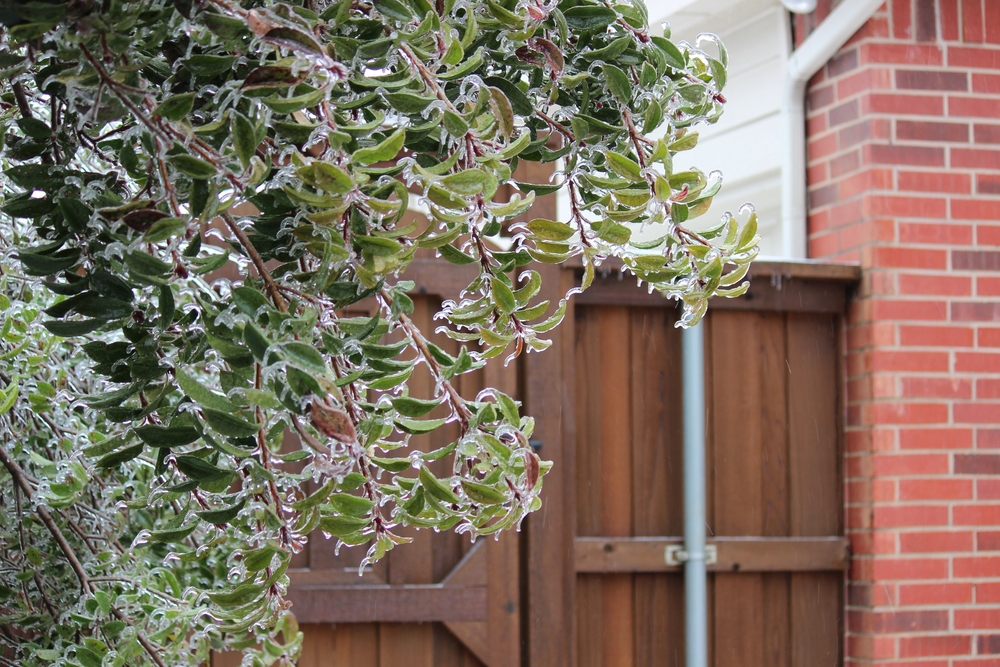
While heavy snow is relatively rare in most parts of North Carolina, ice storms are not uncommon and can cause major damage. Tree maintenance before, during, and after these events can minimize harm and support quicker recovery.
Before an ice event, inspect your trees for weak or overextended branches. Pruning these in advance can prevent them from snapping under pressure. During a storm, avoid trying to knock ice or snow off branches, as this can cause more damage than it prevents. Branches under stress are brittle and can break easily with added force.
After the storm, assess any damage and remove broken or hanging limbs promptly. If large limbs are damaged or if a tree has split, it is best to consult a certified arborist to determine whether the tree can be saved or needs to be removed. In many cases, proper intervention can help a tree recover and thrive in the next growing season.
Seasonal tree care also includes preparing for future events. Learning from past winters can help you identify which species or individual trees need more attention or structural support. Regular inspections and adjustments to your tree care routine make a significant difference over time.
Preparing North Carolina Trees for Spring During Winter
Though winter might seem like a time of inactivity, it is actually a crucial period for setting up healthy spring growth. Taking steps to support your trees now ensures that they are ready to take full advantage of warmer temperatures when they arrive.
Fertilization, if needed, should be done cautiously and only based on soil test results. Over-fertilizing in winter can push trees into premature growth, which is easily damaged by a late frost. Instead, focus on supporting soil health through composting or adding mulch as organic matter.
Winter is also a good time to plan future tree care efforts. Consider what worked well last year and what could be improved. Perhaps certain trees need to be relocated to more protected spots, or new plantings could benefit from windbreaks or sheltering shrubs.
Tree care winter strategies should always be forward-looking. North Carolina’s trees may rest during the colder months, but the decisions made during this time lay the groundwork for robust spring development. With thoughtful planning and consistent maintenance, your trees can flourish throughout the year.
Conclusion
Keeping trees healthy through the winter in North Carolina requires a combination of observation, preparation, and timely action. Although the state experiences a milder winter climate compared to others, the impact of cold, wind, drought, and ice can still take a toll. By prioritizing tree pruning, applying mulch correctly, ensuring adequate watering, and preparing for storm damage, you create a strong foundation for tree vitality.
Seasonal tree care is not just about responding to immediate threats. It is about building resilience in your landscape and supporting the long-term health of your trees. Whether you are maintaining mature oaks or nurturing newly planted ornamentals, following expert cold weather tree tips can help them survive winter stresses and emerge strong and vibrant when spring returns.
Tree maintenance is a year-round responsibility, but winter is one of the most critical seasons for proactive care. With the right approach, your North Carolina trees can thrive in any season.
Need a Premier Commercial & Residential Landscaper Near You?
When you are ready to elevate your outdoor space, our team at Twin Oaks Landscaping, Inc. is here to bring your vision to life with expert craftsmanship and personalized care. We proudly serve Banner Elk, North Carolina with premier landscaping solutions for both residential and commercial properties, from detailed landscape design and seamless installation to hardscapes, pavers, tree services, erosion control, drainage, ongoing maintenance, mulch installation, and seasonal snow removal. Whether you are planning a complete transformation or need dependable year round upkeep, you can trust our experienced landscapers to deliver results that enhance beauty, function, and value. Give us a call today!