
How to Know When a Tree Needs to Be Removed in Banner Elk, North Carolina
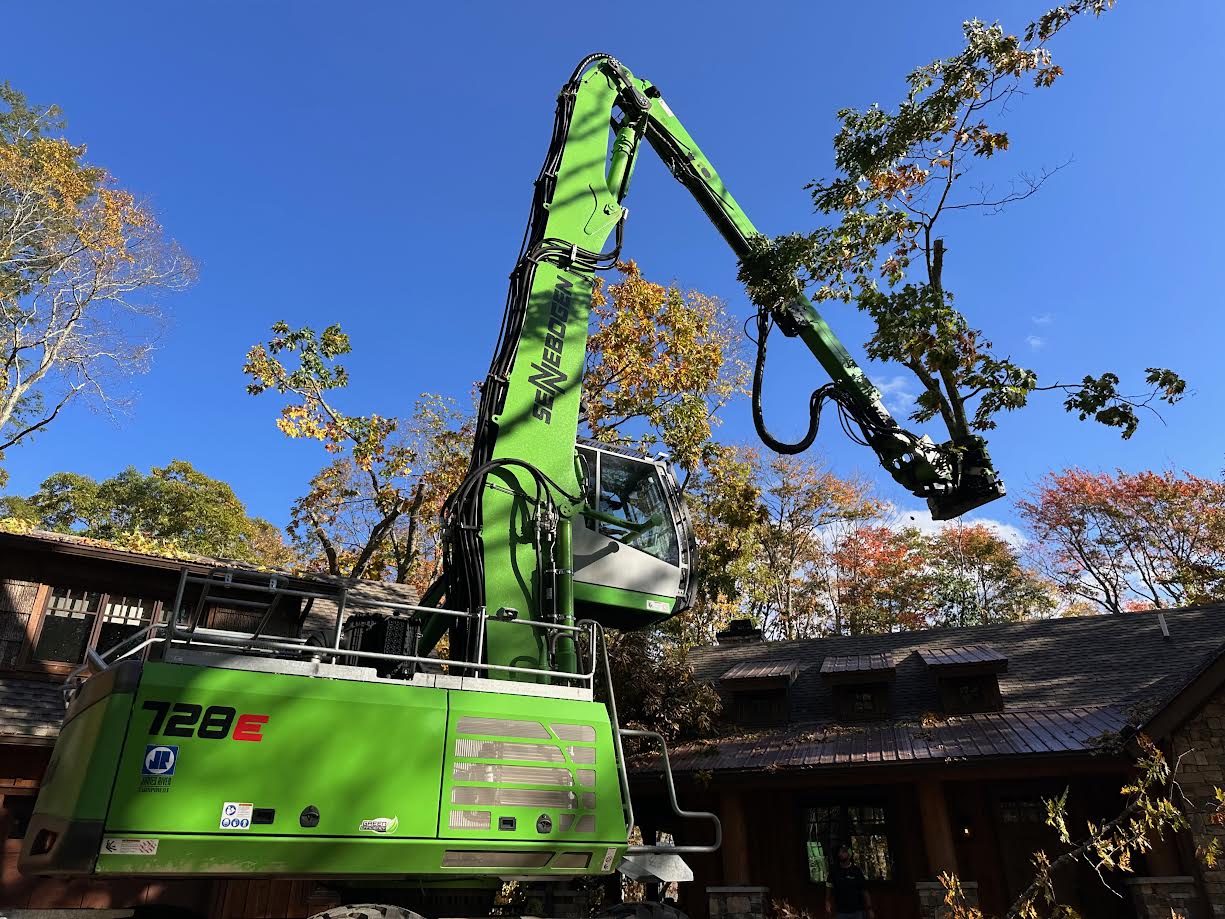
Trees are an essential part of the natural landscape in Banner Elk, North Carolina. These majestic plants provide shade, improve air quality, and enhance the aesthetic appeal of residential and commercial properties throughout the region. However, not all trees remain healthy throughout their lifespan. Understanding tree removal signs is crucial for property owners who want to maintain safe outdoor spaces. Recognizing when a tree needs to be removed can prevent accidents, property damage, and potential injuries.
This comprehensive guide will help you identify the key indicators that signal the need for professional tree removal in Banner Elk.
Dying Tree Symptoms
Identifying dying tree symptoms is one of the most important aspects of maintaining tree safety on your property. A dying tree often displays visible warning signs that indicate its health is declining. One of the most common dying tree symptoms is the presence of bare branches or significant leaf loss during the growing season. If your tree has lost more than half of its foliage and it is not autumn, this is a strong indicator that something is wrong.
Another critical dying tree symptom involves the tree’s bark. Healthy tree bark should be intact and firmly attached to the trunk. If you notice large sections of bark peeling away or missing entirely, the tree is likely experiencing serious health issues. Additionally, excessive insect damage or woodpecker holes can indicate that the tree is already weakened and attracting wood-boring insects. These signs suggest that the tree may not recover and could pose hazards to your property and safety.
The overall structure of the tree can also reveal important information about its health. A tree that appears lopsided or has significant crown dieback may struggle to maintain its integrity. Crown dieback refers to the death of branches throughout the upper portion of the tree. When you notice this symptom, professional tree inspection becomes increasingly important to assess whether removal is necessary.
Recognizing Hazardous Trees in Your Landscape
Hazardous trees present immediate safety concerns that require urgent attention. A hazardous tree is one that poses a direct threat to people, structures, or other valuable property. Not every dead tree requires removal, but hazardous trees absolutely do. Understanding the characteristics of hazardous trees can help you protect your family and neighbors.
One of the most obvious signs of a hazardous tree is the presence of large dead branches that hang over your home, garage, or other structures. Dead wood becomes brittle and can fall without warning, especially during storms or high winds. If you have children who play in your yard, dead branches overhead create unacceptable safety risks. In Banner Elk, where winter weather can be severe, the combination of heavy snow and dead branches can lead to catastrophic failure.
Hazardous trees may also lean significantly away from their natural growing position. A tree that has started to lean may indicate root damage or soil instability. While some trees naturally grow at slight angles, a dramatic lean or sudden change in a tree’s angle suggests structural failure is likely. Professional arborists can assess whether a leaning tree will recover or if removal is the safest option.
Trees growing too close to power lines represent another category of hazardous trees. Branches touching electrical lines create fire hazards and can cause power outages. The utility companies in Banner Elk often require that trees near power lines be trimmed back significantly or removed entirely. If you are unsure about whether your tree is too close to power lines, contact your local utility provider for assessment.
Conducting a Proper Tree Inspection
A comprehensive tree inspection is the best way to determine whether your tree requires removal. While homeowners can perform basic visual assessments, a professional tree inspection provides the most accurate evaluation. Certified arborists in Banner Elk have the training and experience to identify problems that untrained eyes might miss.
During a tree inspection, professionals evaluate several key factors. They examine the trunk for signs of disease, decay, or pest infestation. They assess the tree’s overall structure and look for signs of stress. They also consider the tree’s location relative to structures, property lines, and other valuable features. A thorough tree inspection takes into account the tree’s species, age, and expected lifespan.
When to remove trees becomes clear after a professional inspection. An arborist can provide recommendations based on the tree’s health status, structural integrity, and potential hazards. They can also advise whether pruning or other treatments might save the tree. In some cases, tree removal can be postponed if proper maintenance can restore the tree’s health.
Professional tree inspection also helps you understand whether the tree is simply in decline or if it can be saved through treatment. Some diseases can be managed with proper care, while others are terminal. Some structural problems can be corrected through professional pruning, while others indicate the tree should be removed. An arborist will help you make the best decision for your specific situation.
Assessing Disease and Pest Damage
Disease and pest problems represent major reasons for tree removal in Banner Elk. North Carolina’s climate and forests host various tree diseases that can compromise tree health. When to remove trees affected by disease often depends on the specific disease and the tree’s overall condition.
Common tree diseases in North Carolina include oak wilt, chestnut blight, and Dutch elm disease. These diseases spread through the tree’s vascular system and are often fatal. If your tree has been diagnosed with a terminal disease, tree removal becomes the responsible choice to prevent spread to neighboring trees. Removing infected trees quickly helps protect the health of other trees in your community.
Pest infestations can also necessitate tree removal. The hemlock woolly adelgid has been devastating native hemlock populations throughout the mountains of North Carolina, including the Banner Elk area. Trees infested with certain insects that cause structural damage may become unstable or may pose ongoing pest management challenges. Your tree removal decision might depend on whether treatment options can effectively control the infestation.
When assessing disease and pest damage, consider the extent of the problem. A tree with minor pest damage or early-stage disease might be treatable. A tree with advanced disease or severe pest infestation may not survive treatment and should be removed. Professional tree inspection helps determine which category your tree falls into.
Safety Considerations and Storm Damage
Storm damage frequently creates situations where tree removal becomes necessary for safety reasons. High winds, heavy snow, and ice storms can damage trees and create immediate hazards. After severe weather, inspect your trees carefully for new damage that might require removal or emergency tree safety measures.
Trees damaged by storms may appear stable at first glance but could be compromised internally. A tree with split trunks, broken branches, or exposed wood may not recover fully. Trees that have been uprooted or had their root systems exposed should be evaluated immediately. These trees will likely require removal to prevent future failures.
For your tree safety, develop a plan before storm season arrives. Identify large trees near your home or structures. Trim dead branches annually. Hire professionals to inspect trees after major storms. If you notice damage, do not wait. Contact a professional tree removal service right away. Waiting to address storm damage can allow conditions to worsen and increase safety risks.
Conclusion
Recognizing when a tree needs to be removed in Banner Elk, North Carolina, requires attention to dying tree symptoms, hazardous tree characteristics, and professional advice. Regular tree inspection by certified arborists helps you catch problems early. By understanding tree removal signs and acting promptly, you protect your property, family, and community. When you notice tree safety concerns, consult with local professionals who understand the specific conditions and tree species found in Banner Elk.
Need a Premier Commercial & Residential Landscaper Near You?
When you are ready to elevate your outdoor space, our team at Twin Oaks Landscaping, Inc. is here to bring your vision to life with expert craftsmanship and personalized care. We proudly serve Banner Elk, North Carolina with premier landscaping solutions for both residential and commercial properties, from detailed landscape design and seamless installation to hardscapes, pavers, tree services, erosion control, drainage, ongoing maintenance, mulch installation, and seasonal snow removal. Whether you are planning a complete transformation or need dependable year round upkeep, you can trust our experienced landscapers to deliver results that enhance beauty, function, and value. Give us a call today!